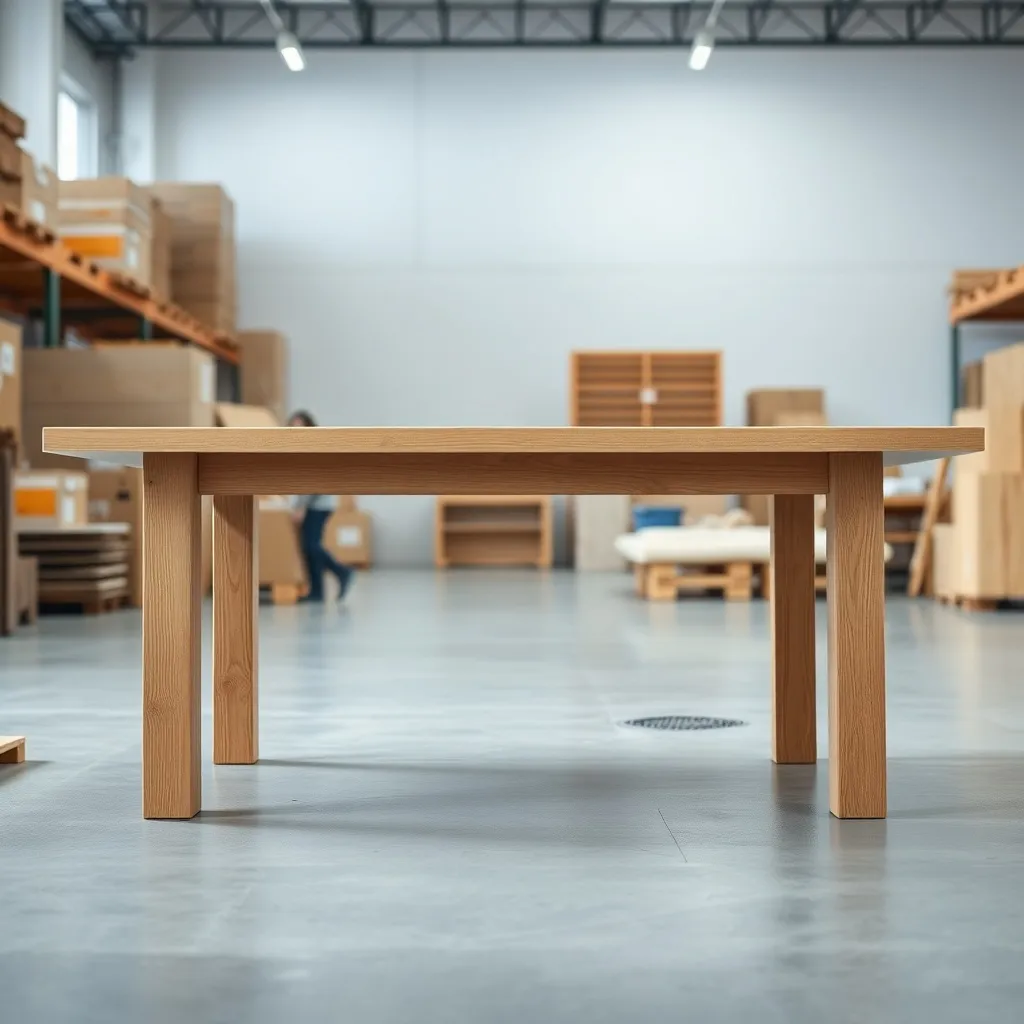
The secondary furniture market in Vancouver is currently experiencing a high-volume phase due to rapid urban turnover and downsizing trends. Based on recent regional data, approximately 45% of high-quality solid wood furniture discarded in the Lower Mainland resides in dedicated thrift centers or online marketplaces. Unlike purchasing new, the second-hand market requires a technical understanding of material lifecycles and brand-specific durability.
I found that the inventory cycle in major centers like Richmond and Burnaby follows a bi-weekly replenishment schedule. For those seeking structural integrity, focusing on older inventory—specifically items manufactured before 2005—often yields better results as these pieces typically feature Joinery-focused construction rather than adhesive-based assembly. For more modern needs, you might want to check the IKEA Richmond optimization guide to compare new vs. used pricing.
"The efficiency of a thrift strategy is measured not by the initial price, but by the ratio of restoration cost to functional lifespan."
Logistics remain the primary barrier for most buyers. While some stores offer third-party delivery referrals, most transactions require immediate removal. If you are planning a large haul from multiple locations, reviewing low-cost delivery and transport options is critical to ensure the delivery costs don't exceed the savings gained at the register.